Loading...
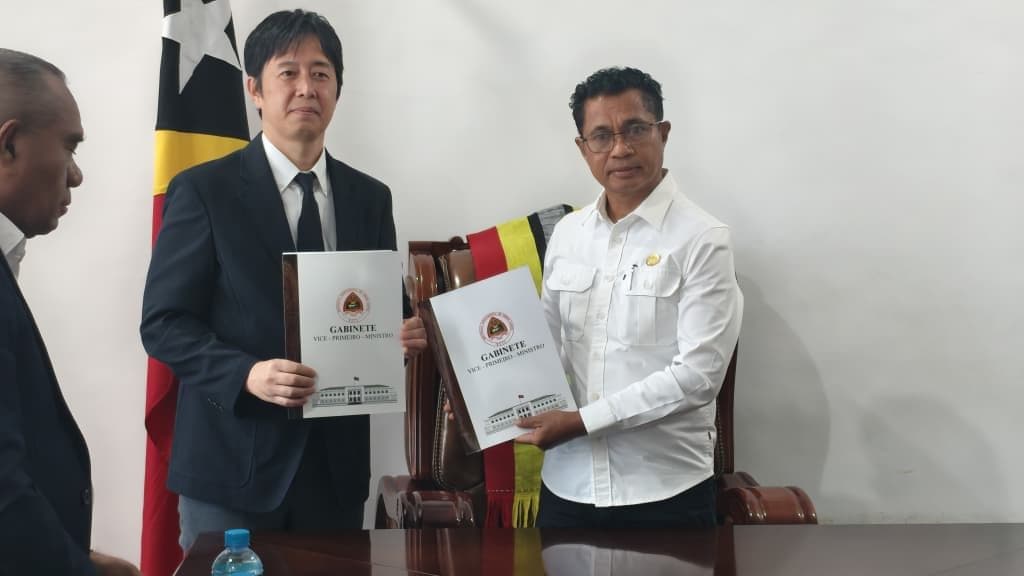
Nippon Koei Bangladesh Ltd., a Joint Venture partner, is providing multidisciplinary Project Management Consultancy services for the Rural Resilience and Livelihood Improvement Sector Project in Manatuto Municipality, funded by the Asian Development Bank. Working with the Ministry of Rural Development and Community Housing, the Project Management Office and the Project Implementation Unit, the consultancy supports the effective delivery of an inclusive, community-led program designed to improve climate resilience, water and food security, and sustainable livelihood opportunities for rural communities.
Project at a Glance | |
Project Area | Manatuto Municipality, Timor-Leste |
Primary Beneficiaries | Approximately 46,000 people in agriculture-based rural communities |
Consultancy Period | 56 months, with extensive field support from Dili and Manatuto |
Development Focus | Institutional capacity, resilient rural water infrastructure, and diversified climate-resilient livelihoods |
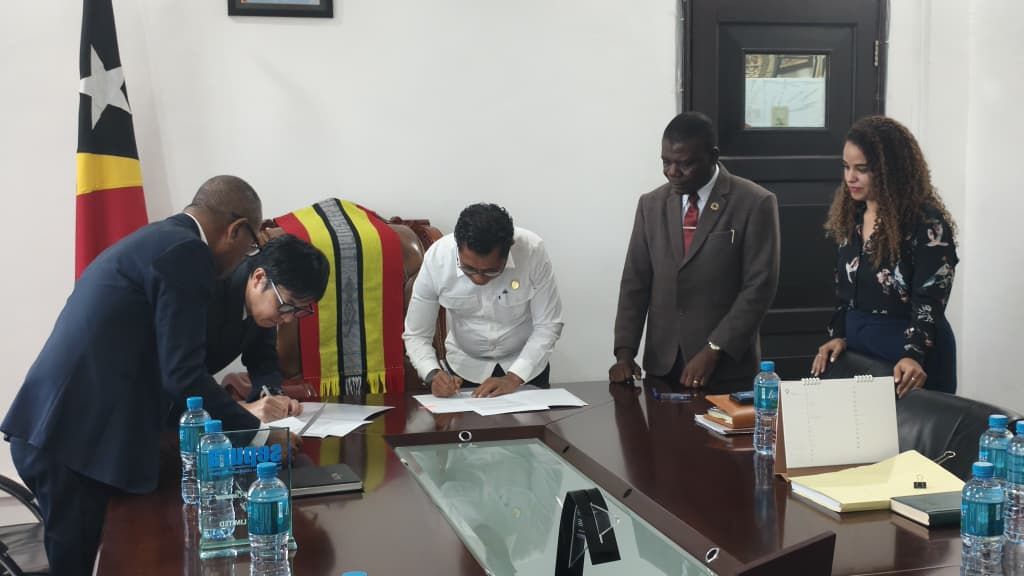
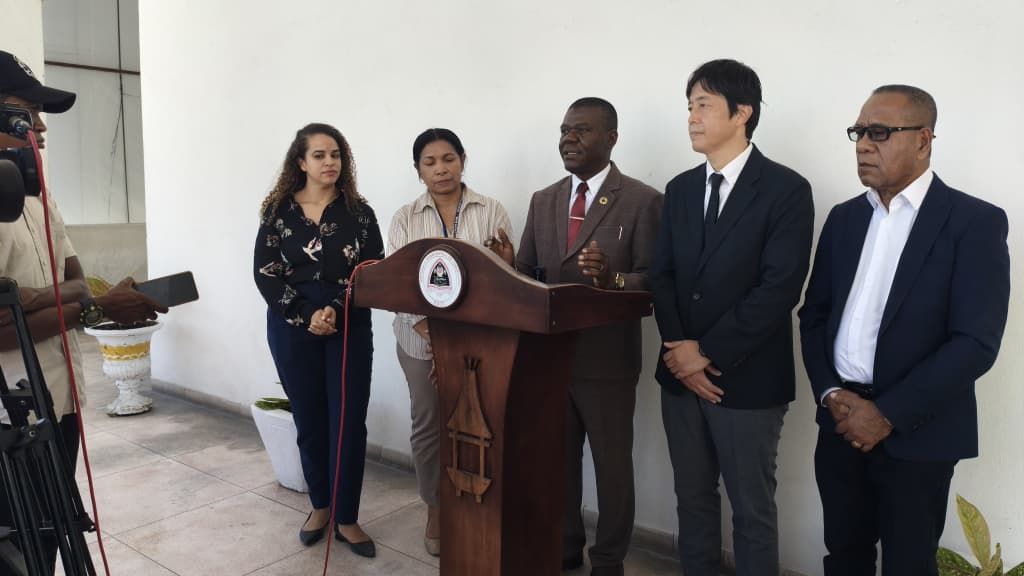
Project activities include municipal and village assessments of water resources, land use, market potential, and climate and disaster risks; participatory selection and preparation of community subprojects; construction or upgrading of rural water supply, irrigation, drainage, flood-protection and erosion-control facilities; farmer training and market-linkage support; establishment of GIS, monitoring and financial-management systems; and regular safeguards, quality, performance, and progress reviews. These activities are designed to strengthen community institutions, protect rural assets, improve farm productivity, and expand sustainable income opportunities.
The agriculture and rural livelihood specialists will assess suitable crops and agroforestry systems across agroclimatic zones; identify productivity constraints; conduct municipal and multi-year market assessments; select climate- and disaster-resilient plants and farming practices; prepare training materials and train field teams; support community planning; monitor implementation; pilot progressive climate-adaptation techniques; and identify at least five new market opportunities with feasibility studies linking private investors to project communities. International specialists will provide technical leadership and mentoring, while national officers will manage field implementation, training, monitoring, and reporting. The rural water and infrastructure team will separately ensure climate-resilient designs, safeguards, inspections, operation and maintenance planning, and technical quality assurance.
Many families in Manatuto depend on farming, yet they face unreliable access to water, limited income opportunities, and increasing pressure from floods, landslides, and changing weather patterns. The project will bring government and communities together to identify local priorities and choose solutions that respond to everyday needs. Special attention will be given to women, poor households, and other vulnerable groups so that the benefits are shared widely.
Stronger local capacity: Farmer groups, village committees, and government staff will be better equipped to plan together, manage natural resources, and respond to climate and disaster risks.
Improved water security and safety: Communities will gain more reliable access to water and better protection for homes, farms, and livelihoods from flooding, erosion, and landslides.
More resilient livelihoods: Farmers will be supported to use climate-resilient practices, diversify crops and income sources, and build stronger connections with markets.
In conclusion, the project will strengthen climate resilience, water security, and sustainable livelihoods in Manatuto. For Nippon Koei Bangladesh Ltd., this engagement reinforces its growing international presence and demonstrates its capacity to deliver complex, multidisciplinary projects across borders through technical expertise, quality assurance, and close collaboration with government and local communities.


![[NKB] Nippon Koei Bangladesh Ltd. Brochure](/_next/image?url=https%3A%2F%2Fwww.nkbangladesh.co.bd%2Fuploads%2FNKB_Brochure_20250721cover_72ddcfe6b2.png&w=3840&q=75)